 By Tag Clar Editorial
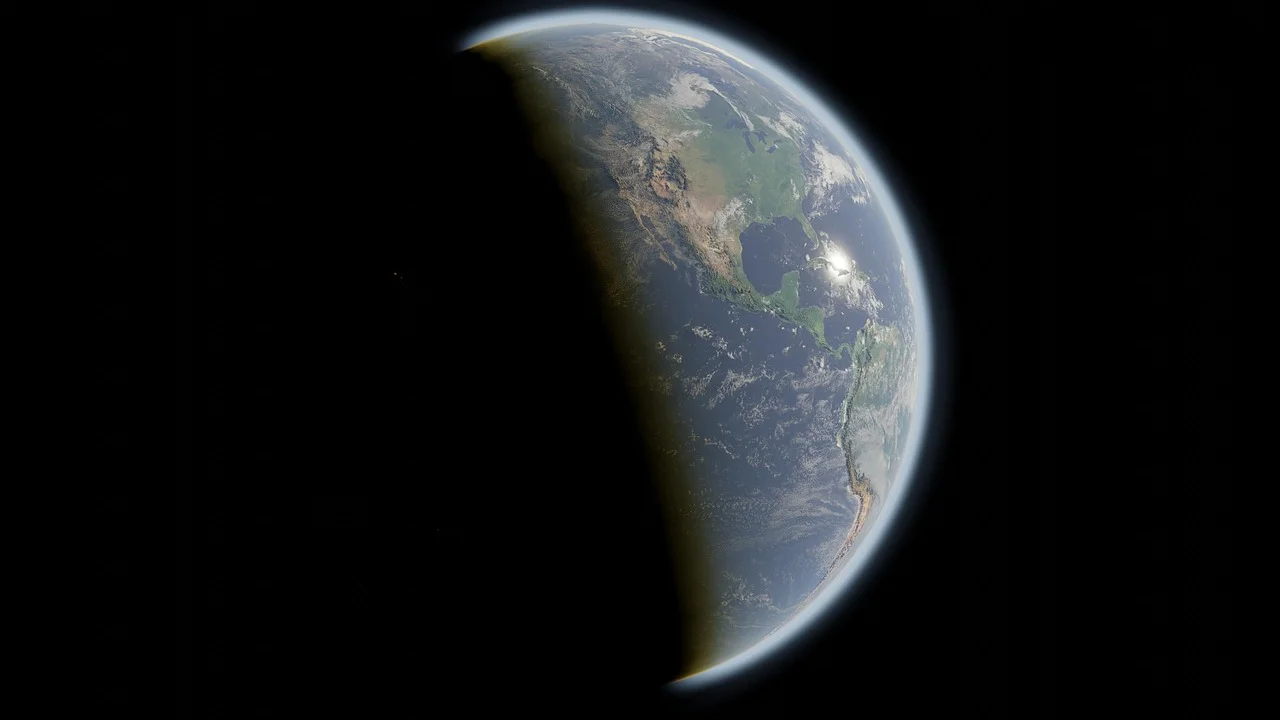
On July 6, 2026, the Earth will reach its farthest point from the Sun. Despite this distance, summer will still prevail in the Northern Hemisphere. This phenomenon clearly illustrates the impact of the Earth's rotational axis on seasonal changes.
The Impact of the Earth's Rotational Axis
The Earth's rotational axis determines the angle at which our planet is positioned relative to the Sun, and this is the main factor in the changing of the seasons. As the Earth moves around the Sun, changes in the angle of sunlight hitting the Earth's surface cause temperature and atmospheric conditions to vary in each hemisphere.
For this reason, while the Earth is at its farthest point from the Sun, the Northern Hemisphere continues to be affected by direct summer sunlight due to its specific angle. This scientific phenomenon reminds us that our understanding of seasons and atmospheric changes is not solely dependent on the Earth's distance from the Sun, but that more complex dimensions are also involved in this process.