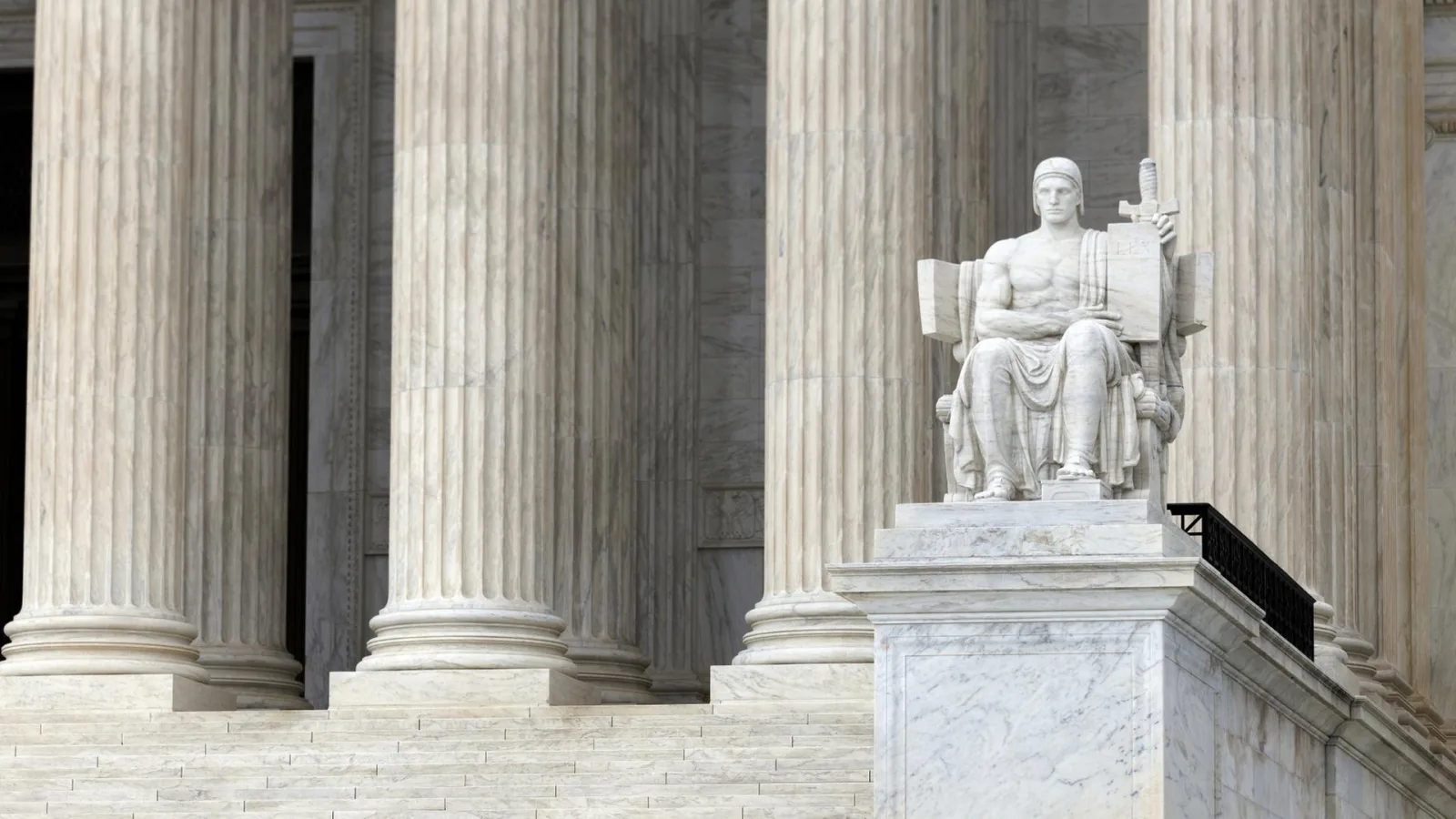
In recent days, the Supreme Court of the United States has consistently responded positively to the government's positions, which has pleased the President. However, the question that arises is what consequences these developments will have for the structure of power and the judicial system of the country.
Consequences of the Growing Power of the President
The current trend indicates that the Supreme Court is gradually reducing its independence and increasingly accepting the government's views. These changes could lead to a weakening of the judicial institution and create an imbalance of power. The President, by supporting this direction, seems to be strengthening his position against other government institutions.
As this trend continues, we face more serious questions about the future of the legal and democratic system of the United States. Will these changes lead to a weakening of the fundamental principles of the judicial system and the creation of a centralized power in the hands of the President? Or will the Supreme Court ultimately return to its independent status?