 By Tag Clar Editorial
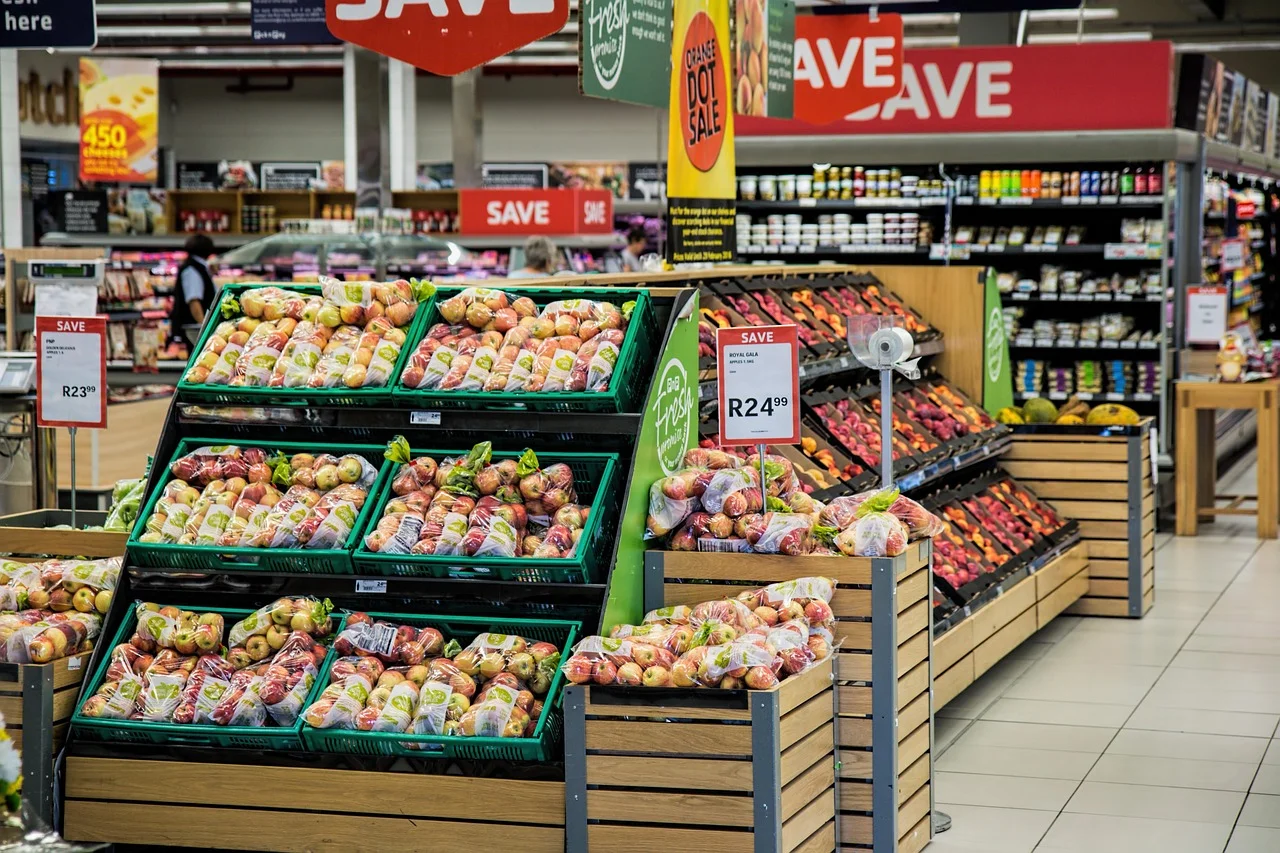
In today's world, choosing a plant-based diet is not only a personal decision but also a social statement. But do you really know what you are purchasing? In supermarkets, products labeled 'plant-based' and 'vegan' may mislead you.
Key Differences
The label 'plant-based' means that the product contains at least 95% plant ingredients, while vegan products are completely free from animal materials. In other words, 'plant-based' products may contain up to five percent non-plant ingredients, including milk, honey, and even cellular meat. In contrast, vegan products must be entirely derived from plant sources and contain no animal-derived substances.
According to international standards 'ISO 8700:2024', products labeled as '100% plant-based' must be made entirely from plant materials. However, this can be confusing for vegetarian buyers, as the terms are sometimes used interchangeably.
Risks and Challenges
Buyers should carefully check labels to ensure that there are no animal ingredients in products that appear to be healthy. Otherwise, they may easily fall into the trap of non-plant-based products. This issue is particularly important for those who avoid consuming animal products for ethical or health reasons.
Therefore, if you are looking for a completely plant-based diet, it is essential to pay more attention to label details and be careful in your choices. This is a reminder for all of us that in the complex world of food products, we cannot ensure safety with just one label.