
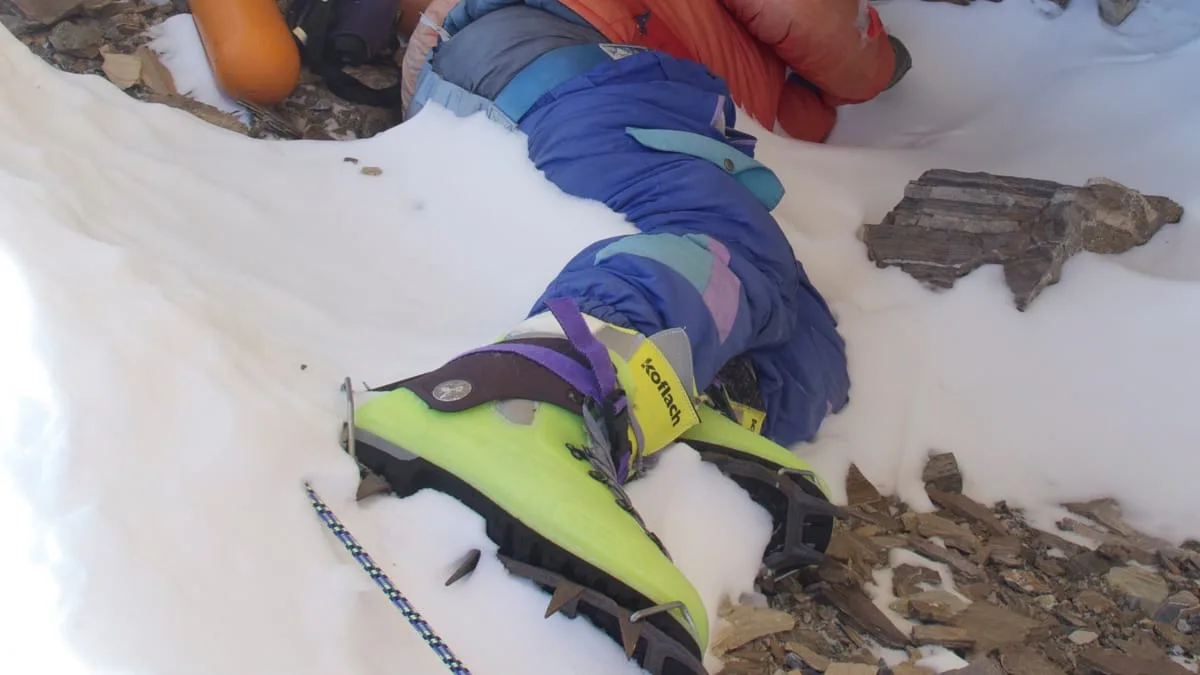
In the world of mountaineering, the name 'Green Boots' is recognized as a symbol of the tragic fate of many climbers lost on the peaks of the Himalayas. Since 1996, this body has remained as a guide and reminder of the dangers of climbing on Mount Everest. However, recently, the Indian government has announced its intention to retrieve this body from the ice and snow of the mountains.
Is This Decision Ethical?
This decision comes at a time when many climbers and enthusiasts of the sport doubt the ethics of such an action. Some believe that the presence of this body can serve as a reminder of the dangers and challenges that exist on this path. Meanwhile, others argue that it is time for this bitter relic to be removed from the mountain so that not only the memory of the victims is not forgotten, but also their families can be relieved of the emotional burden of this issue.
India, as the home country of this climber, has clearly stated that it views this mission as a humanitarian effort and is working to respectfully and dignifiedly remove this body from the mountain. Could this action be considered a turning point in the history of mountaineering?