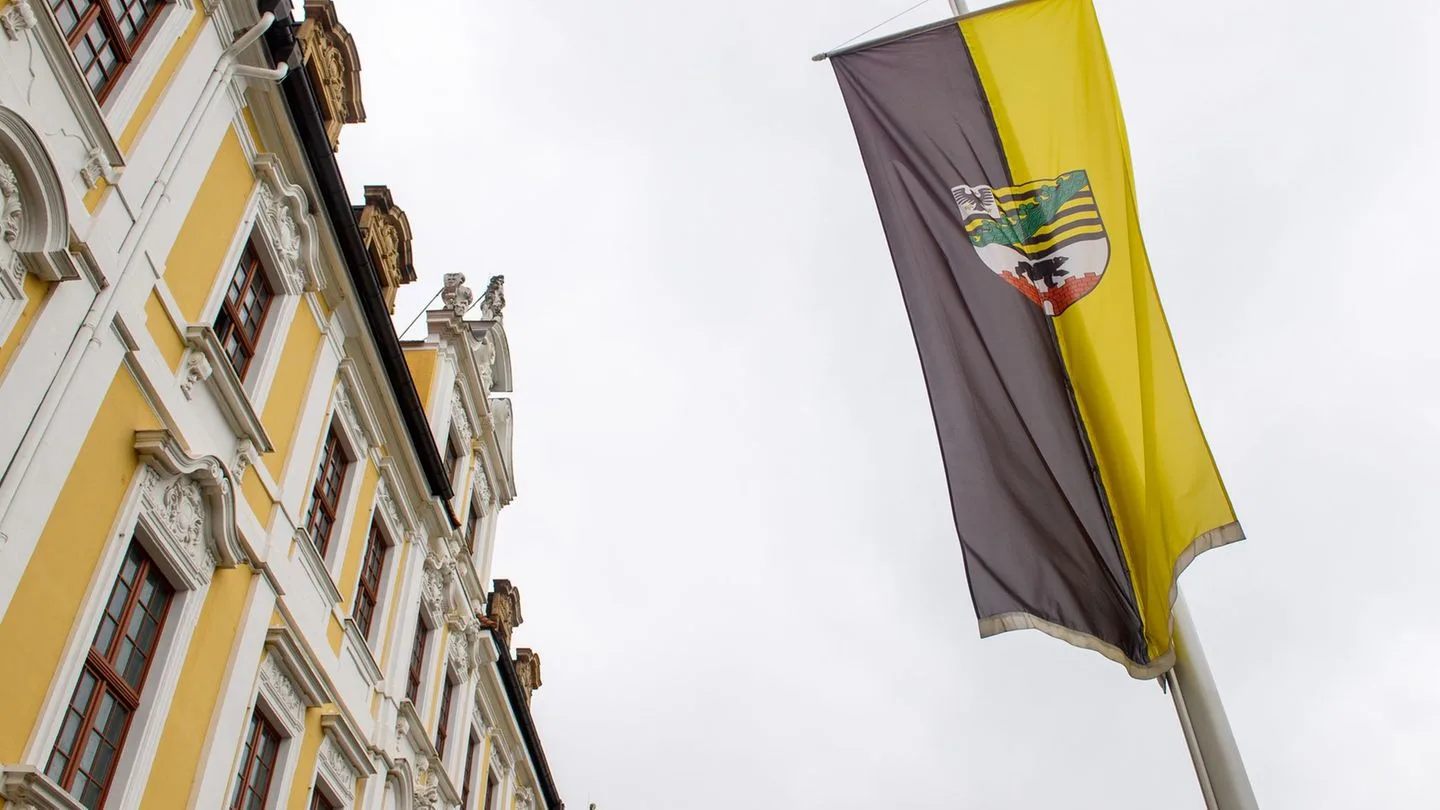
Saxony-Anhalt, a land where two dictatorships, the Nazis and then the Socialist Unity Party, have cast a shadow over the lives of the people. In the years 1946 to 1952, this region witnessed profound and forgotten transformations that are now addressed with a comprehensive analysis.
The Exit of One Man and the Entry of a New Dictatorship
Bruno Böttge, the President of Parliament and one of the key figures of the Socialists, became a victim of a political purge in the autumn of 1948. He, known as an old representative of the Social Democratic Party, was suddenly removed from all his positions, sending a clear message to others: no one is allowed to cross the party's red lines.
This is just one example of the bitter fates of that time, which have been examined in detail. Analysts believe that these transformations were indicative of fundamental changes in the politics of Saxony-Anhalt and demonstrated that the Socialist Unity Party (SED) had officially taken complete control.
The Era of Openness and Repression
The 1946 elections were a turning point in which the liberal and Christian Democratic parties managed to gain a majority, and for a time, the political atmosphere leaned towards openness. However, this situation did not last; with political pressures and threats, this open space gradually weakened, forming a barrier to the entry into absolute bureaucracy.
The year 1948 was a fateful year in which not only Böttge but many other representatives were also pressured and imprisoned. This process gradually led to the actual dissolution of Parliament, and finally, on July 25, 1952, Saxony-Anhalt was divided into two new regions.
This fresh analysis reminds us how quickly and suddenly a democracy can turn into a dictatorship and underscores the importance of preserving political and social rights. Ultimately, this forgotten era must remain in our collective memory so that we can learn from its repetition.