
 By Tag Clar Editorial
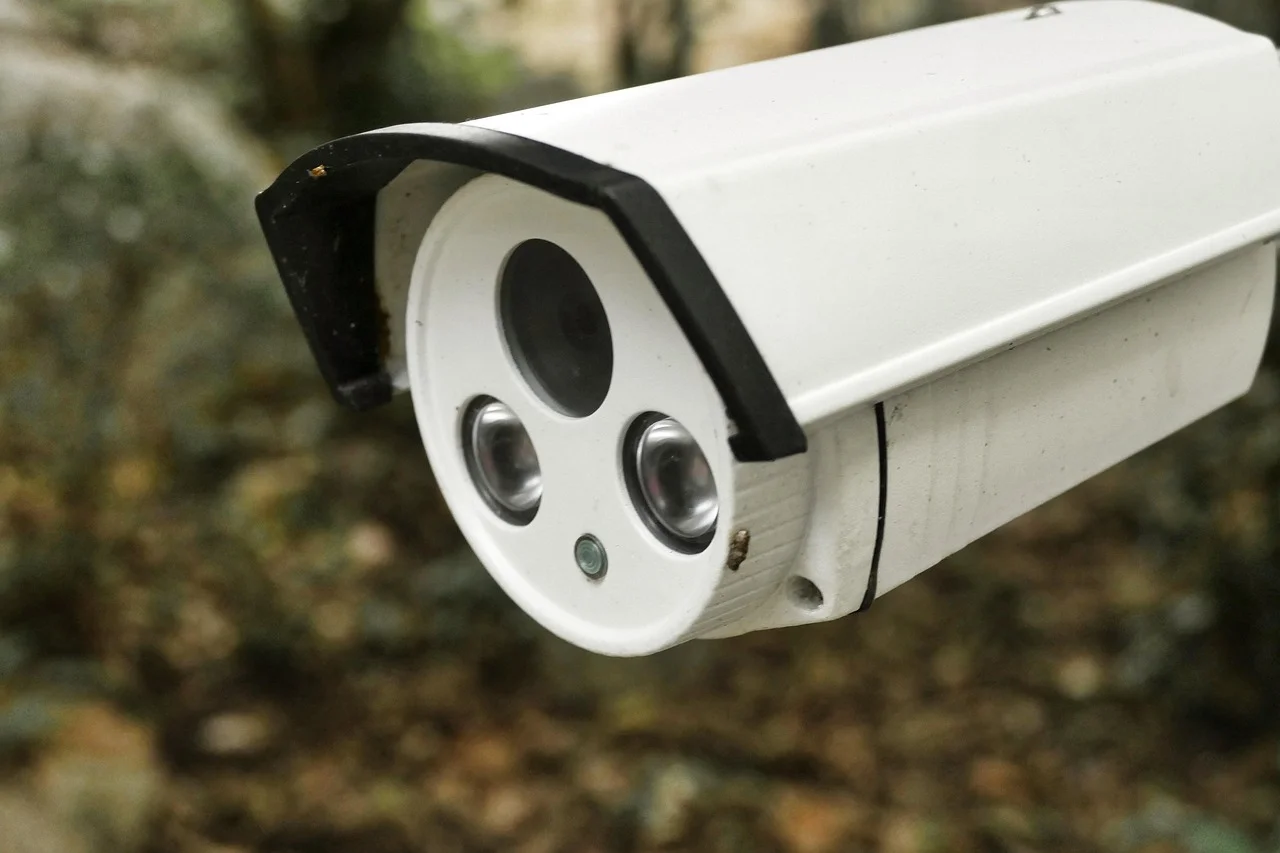
In a controversial move, the police have begun monitoring individuals who are officially recognized as "potentially dangerous," but it is unclear what threat these individuals actually pose. A non-public document reveals how vague and broad this concept is.
Why has this action been taken?
This new program appears to be designed to prevent crime and security threats, but it has faced significant criticism. Critics believe that this could lead to violations of human rights and individual freedoms, as individuals who pose no threat to society are placed under police surveillance.
Further details about the criteria the police use to identify these individuals are not available, raising significant concerns among human rights activists. Does this action actually contribute to community safety, or does it merely fuel fear and panic?