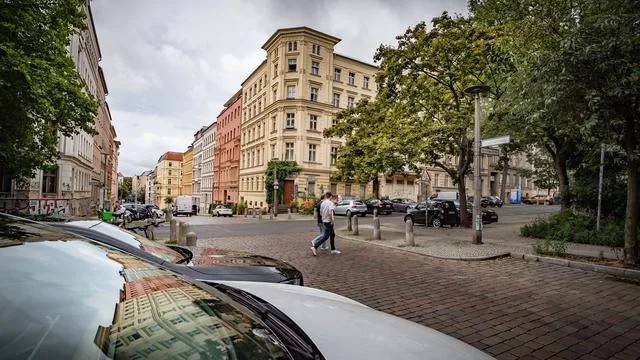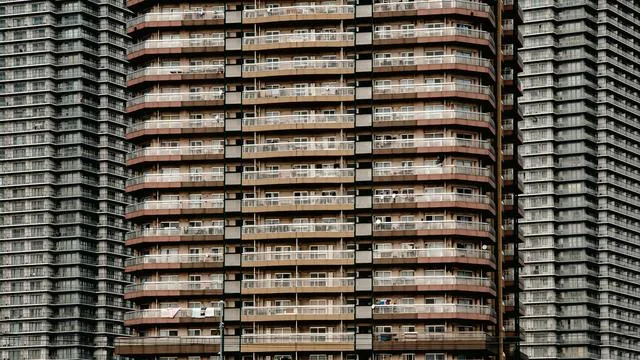
In recent years, Japan has faced a phenomenon that Germany may soon grapple with: a significant rise in vacant residential units. According to recent statistics, on average, every seventh property in this country remains unoccupied due to demographic changes and a decrease in residents.
Social and Economic Challenges
This issue is not only a sign of a demographic and economic crisis but has also become a serious threat to the social structure. With a declining number of young people and an aging population, the housing market is under severe pressure, leading many units to be left abandoned. On the other hand, the maintenance and repair costs of these units also weigh heavily on the government and society.
However, the challenges arising from this crisis are not limited to economic issues. The increase in vacant properties can lead to a decrease in property values and the social repercussions that follow. Many rural areas and even some urban regions face the risk of becoming deserted and deteriorating infrastructure, which could escalate into a larger crisis.
A Look at the Future
Will Germany also face the same fate? Given the demographic and economic trends, it seems that this is just the beginning of a larger crisis. It is essential for governments and social institutions to respond swiftly to this situation and propose solutions to prevent the repetition of this scenario in the future.