
 By Tag Clar Editorial
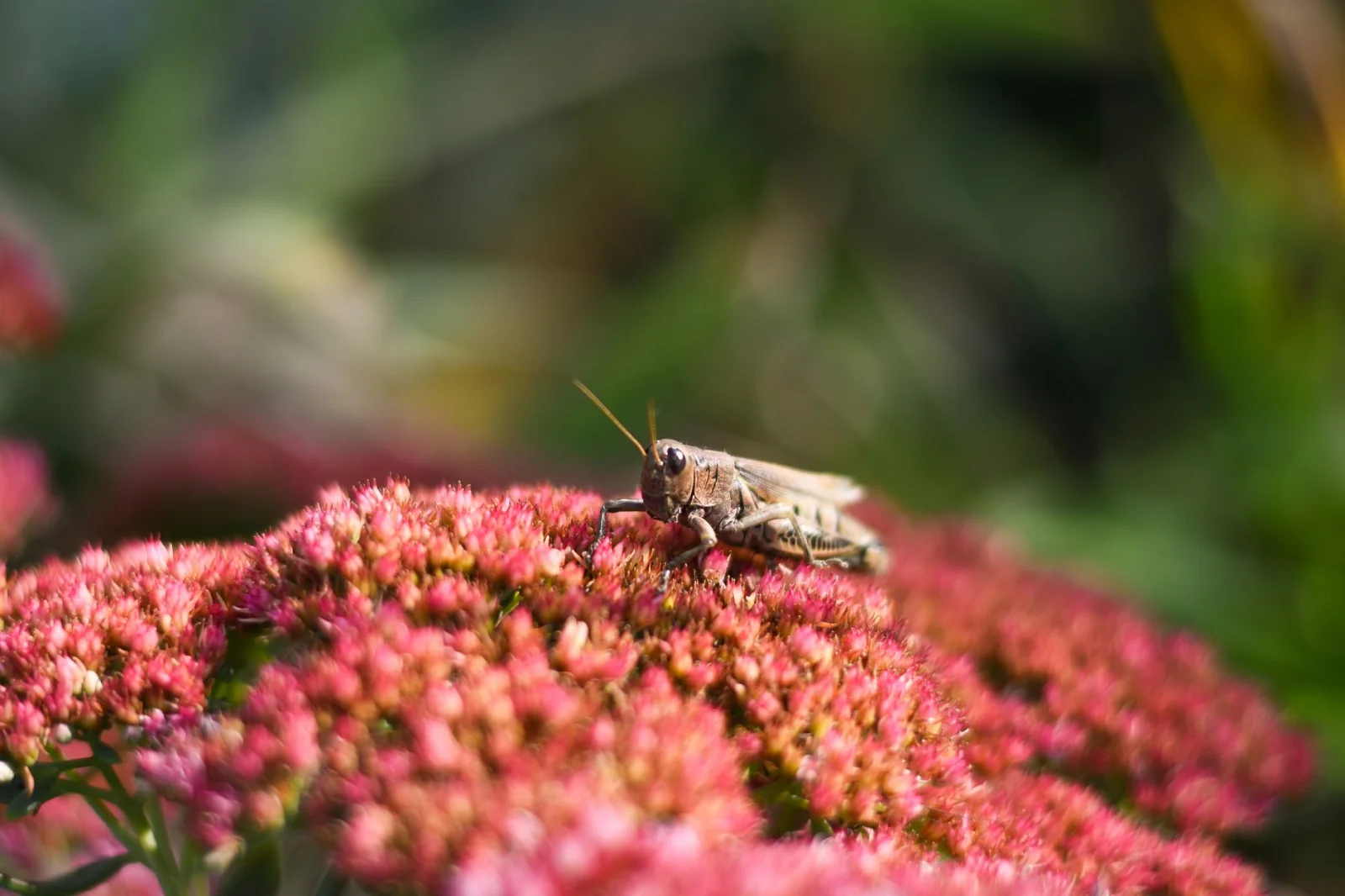
In an astonishing discovery, a pink cricket has been spotted in the green areas of Kärnten, Austria. This rare biological phenomenon has attracted the attention of not only biologists but also the general public. Overall, the chance of seeing such creatures in Europe is estimated to be only one percent.
Why a Cricket with Pink Color?
The unusual color of this cricket is due to a rare genetic trait known as erythryism. In this case, the production of the red pigment erythropterin is increased, while dark colors are significantly reduced. For a cricket to truly appear pink, it must inherit this gene from both of its parents, which rarely occurs in nature.
Despite the aesthetic appeal this creature possesses, its pink color poses a serious threat to its survival. While ordinary crickets with green or brown colors can easily camouflage in their environment, this pink cricket is easily identified by predators. Therefore, many of these creatures with rare colors never reach adulthood.
Color Diversity Rates in the Insect World
Erythryism is not the only type of color variation in the insect world. Other color changes include albinism, melanism, and xanthism. While albino animals appear white due to the absence of pigments, melanistic animals have more dark pigments and approach black coloration. On the other hand, animals affected by xanthism have a yellow or golden color due to the dominance of yellow pigments.
Crickets typically live in sunny pastures, fields, and road margins, feeding on plants and grasses. Their distinctive sound, used to attract mates and establish territory, is one of the notable features of these creatures. These insects are harmless to humans and simultaneously contribute to the beauty of the natural world.